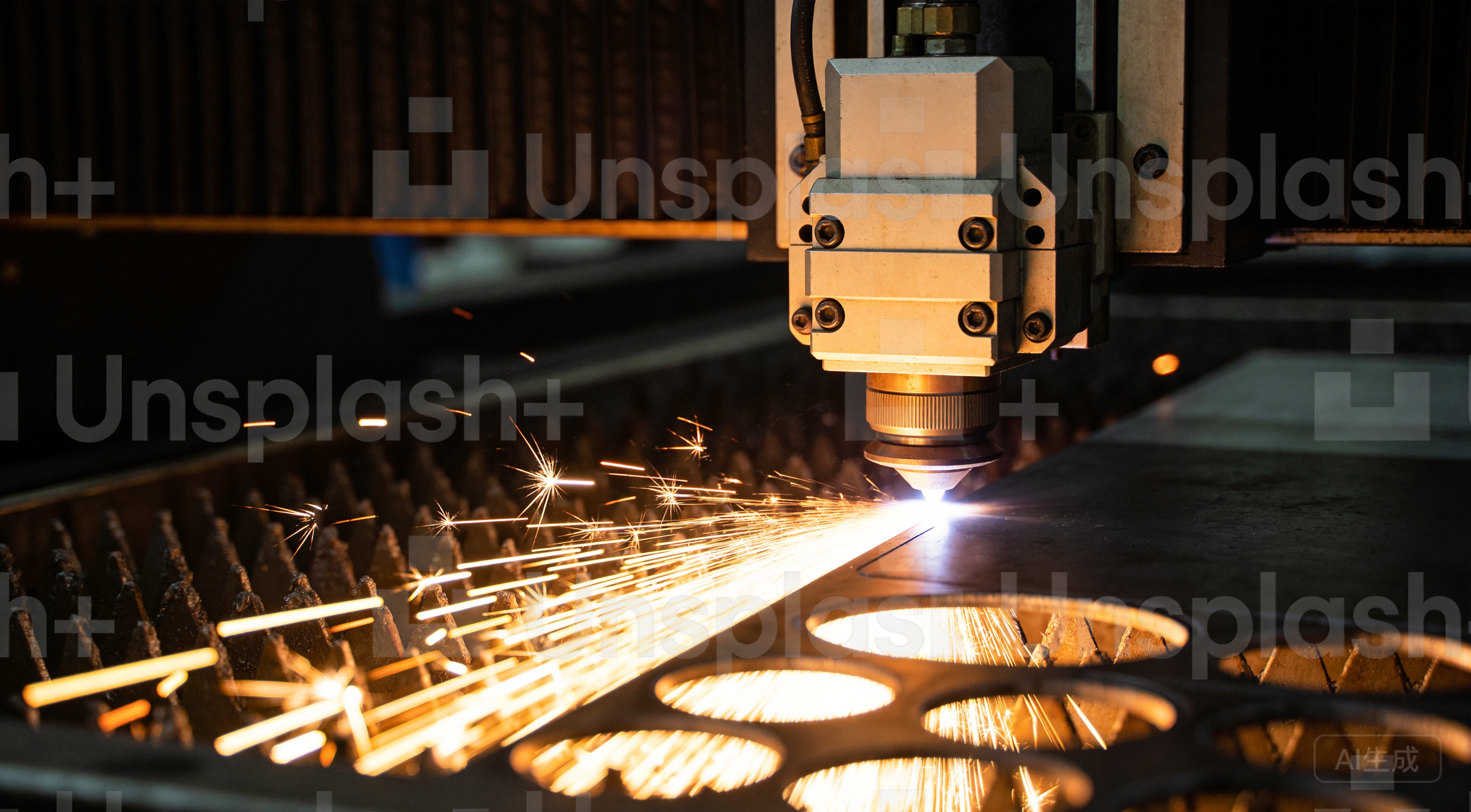
Fiber Laser Maintenance Guide
Essential preventive maintenance procedures to maximize uptime and extend the life of your fiber laser cutting system.
December 15, 2024 · 8 min read
Introduction
Fiber laser cutting systems are capital-intensive investments that require systematic maintenance to deliver consistent performance. This guide outlines the essential preventive maintenance procedures that every operator should follow.
Daily Maintenance Checklist
Start of Shift
- [ ] Inspect protective lens for contamination or damage
- [ ] Check nozzle condition and orifice roundness
- [ ] Verify gas pressure readings at the cutting head
- [ ] Run beam alignment verification test
- [ ] Check coolant level and temperature
- [ ] Inspect sensor cable for kinks or damage
End of Shift
- [ ] Clean cutting table and remove debris
- [ ] Wipe down focusing optics enclosure seals
- [ ] Record laser operating hours
- [ ] Document any quality issues observed during shift
Weekly Maintenance
- Clean chiller unit air filters
- Inspect and clean gas supply filters
- Check all cable carriers for wear
- Lubricate linear guide rails
- Verify focus calibration
Monthly Maintenance
- Replace chiller coolant if contaminated
- Inspect beam delivery fiber for damage
- Check all electrical connections torque
- Calibrate height sensor system
- Clean exhaust system and ductwork
Quarterly Maintenance
- Replace protective lens (if not already done based on condition)
- Replace gas filters and desiccant dryers
- Full optical train cleaning and alignment
- Check laser source maintenance indicators
- Inspect safety systems and interlocks
Annual Maintenance
- Replace laser source consumables per manufacturer schedule
- Full mechanical system inspection and alignment
- Replace coolant hoses and seals
- Calibrate all measurement systems
- Software and firmware updates
The maintenance ROI: Our analysis of over 500 fiber laser installations shows that facilities following a structured preventive maintenance schedule experience 73% fewer unplanned downtime events and 40% longer consumable life compared to reactive maintenance approaches. A well-maintained system also produces 25% more consistent cut quality across production batches.
Spare Parts Inventory
| Part | Minimum Stock | Lead Time |
|---|---|---|
| Protective Lenses | 10 pcs | 2-3 days |
| Nozzles (various sizes) | 20 pcs | 2-3 days |
| Ceramic Rings | 5 pcs | 3-5 days |
| Sensor Cables | 2 pcs | 5-7 days |
| Gas Filters | 4 pcs | 3-5 days |
| Coolant | 20L | 1-2 days |
Conclusion
A systematic approach to maintenance is the most cost-effective strategy for maximizing your fiber laser investment. By following this guide and adapting it to your specific operating conditions, you can significantly reduce downtime and maintain consistent cut quality.
📖 Related Blog Articles
- Laser Cutting Consumables Guide — Complete troubleshooting guide for nozzles, lenses & ceramic rings
- High-Power Fiber Laser Consumables FAQ — FAQ covering nozzles, ceramic rings & protective windows
Still Having Piercing Problems?
Our team of laser cutting specialists is ready to help you optimize your cutting process. Send us your material specs and we'll provide a tailored solution.
Contact Engineering Team