2D Drawing
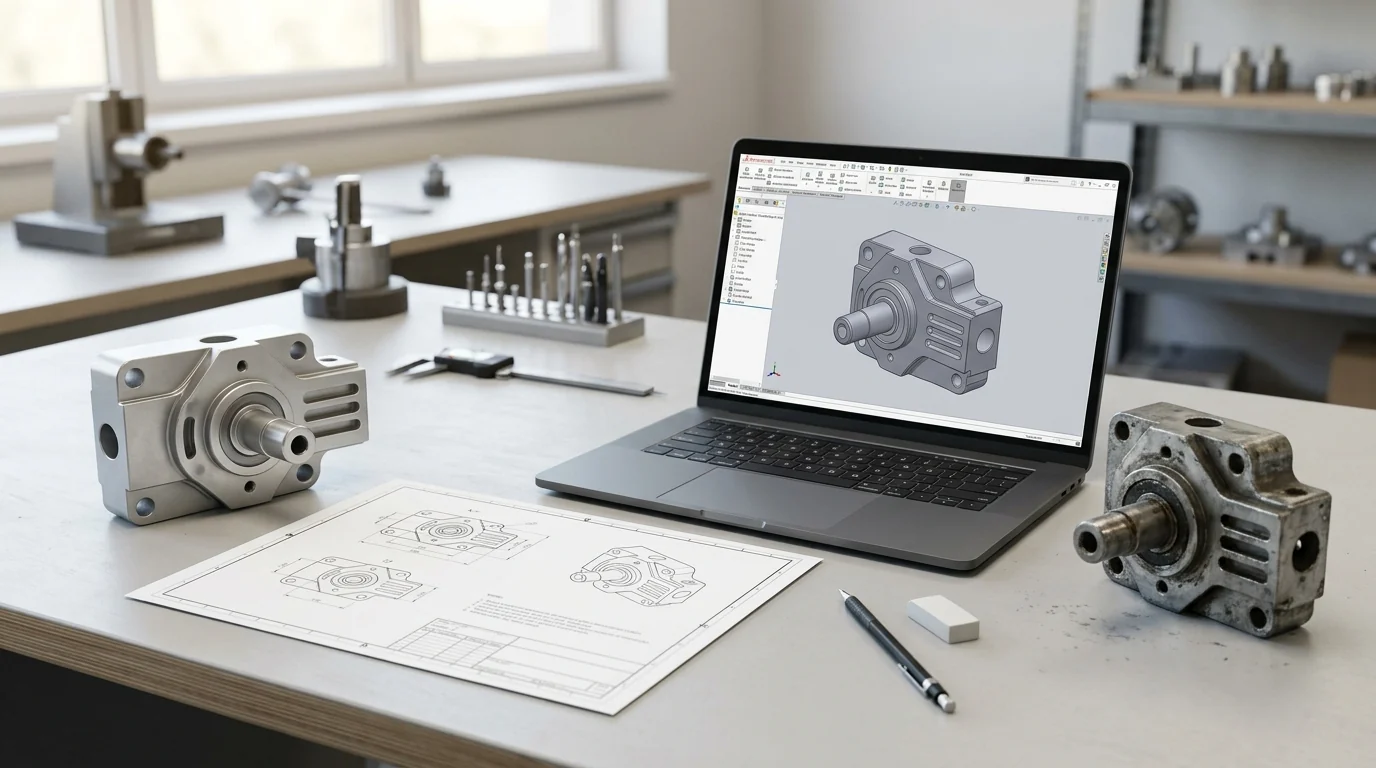
Submit the released drawing and identify material, quantity, required final condition, application, and any critical interfaces or open questions.
Drawing- and sample-based sourcing for obsolete mechanical parts, replacement robot gripper fingers, and repeat spares that keep installed equipment in service.
MUXI reviews available evidence, final-state critical dimensions and tolerances, first-article requirements, and the repeat-order basis before coordinating suitable CNC manufacturing resources.
Share the best available design evidence and explain what the part must do. Open details should be identified for engineering review rather than guessed before quotation or manufacturing.
Submit the released drawing and identify material, quantity, required final condition, application, and any critical interfaces or open questions.
Neutral or native model information can support geometry review. Conflicts with a 2D drawing or missing manufacturing requirements must be resolved.
Samples and photos can support feasibility review when sufficient geometry, mating-part, and application information is available.
Explain the failure, operating context, interfaces, and required function so the review can distinguish replacement needs from a routine copy request.
MUXI coordinates CNC sourcing through its manufacturing network. The appropriate process and supplier are selected only after the geometry, material, quantity, final condition, inspection needs, and application have been reviewed.
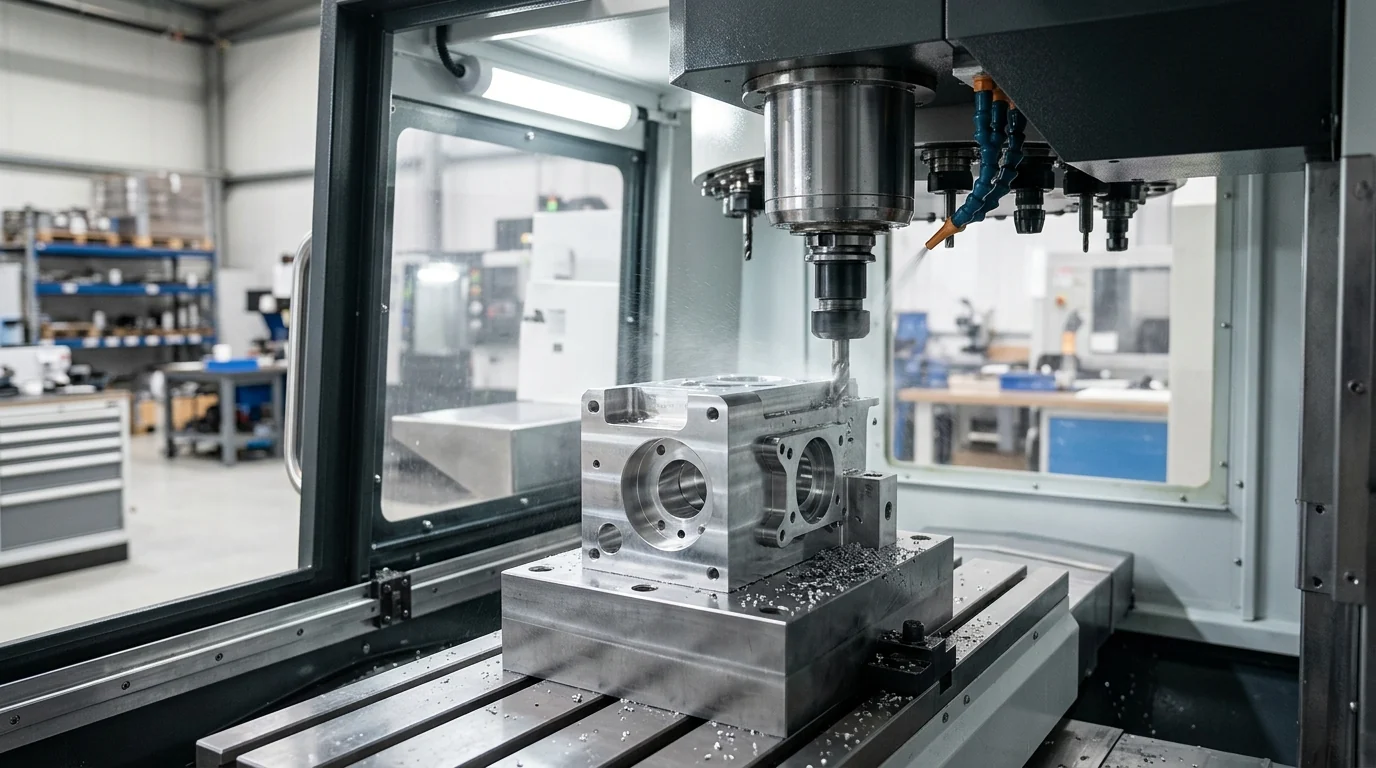
Review and supplier coordination for custom milled components based on the available drawing, model, or reconstructable sample evidence.
Review and supplier coordination for turned components when the part definition and project requirements provide a suitable manufacturing basis.
First-article, obsolete-part, installed-equipment spare, and repeat-order requirements can be assessed against an agreed part definition.
No tolerance, machine configuration, part-size range, order minimum, capacity, or delivery commitment is implied by this page. These points are confirmed for the specific inquiry and selected manufacturing resource.
Material and surface requirements affect function, fit, wear, corrosion exposure, and final dimensions. State the required specification when known; otherwise identify the application conditions that need review.
The purpose of review is to clarify design intent, supplier fit, critical interfaces, required final condition, and inspection expectations before the project advances.
Available drawings, models, sample information, and application requirements are organized and conflicts or missing details are identified.
Datums, fits, threads, mating features, contact geometry, and other function-critical points are identified where the evidence supports them.
Dimensional and final-surface checks are coordinated against the agreed project requirements. Scope and acceptance evidence are project-specific.
The approved drawing or model revision, agreed deviations, final condition, and repeat-order basis should be recorded before repeat production.
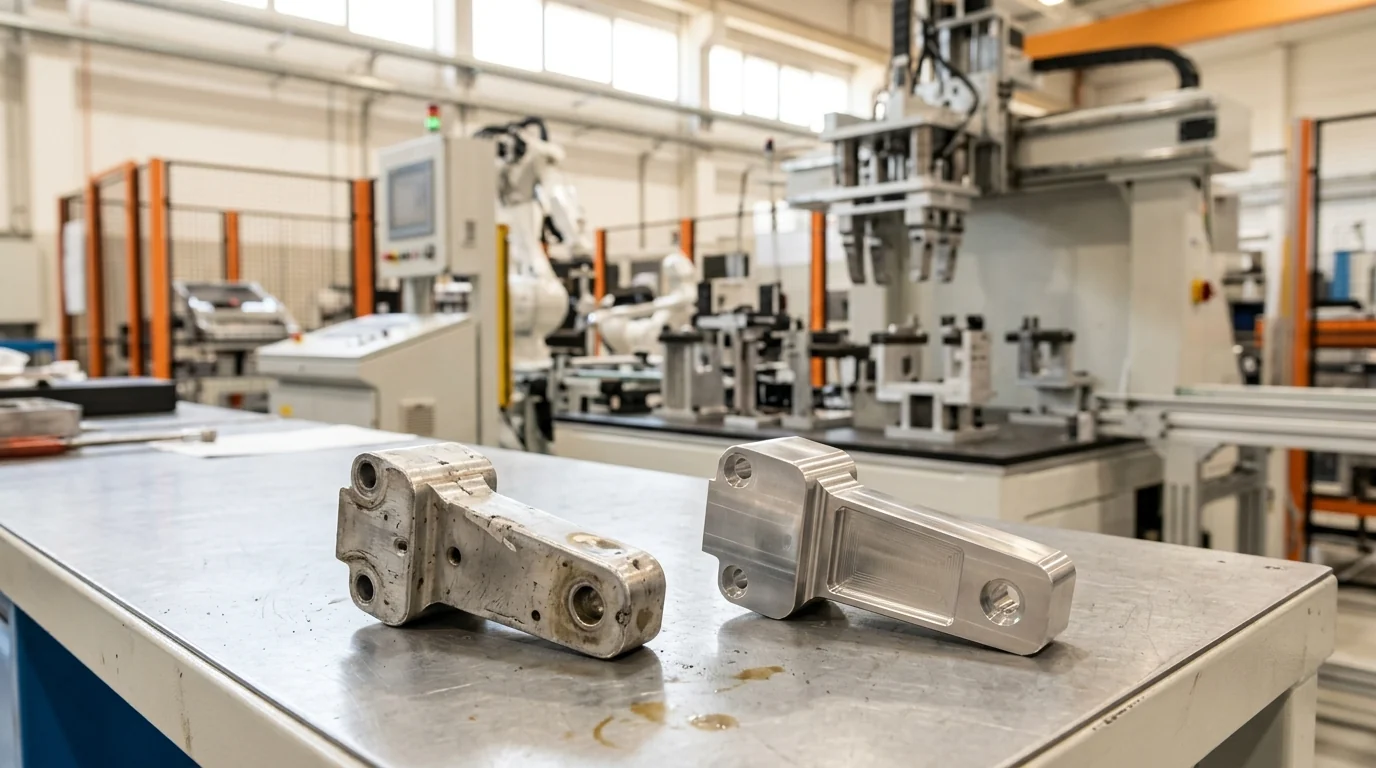
Sample-based replacement is an engineering review process. A worn part is evidence, but it is not automatically a complete record of the original design.
Collect the best available part and application information.
Identify mounting, mating, motion, contact, and assembly requirements.
Reconstruct only what the available evidence can reasonably support.
Confirm known requirements and flag unresolved final-state details.
Use an initial part or trial quantity as the validation stage.
Check agreed features and complete application validation under the equipment owner's process.
Proceed from the approved revision and acceptance basis.
Sample-based feasibility boundary: wear, deformation, coating buildup, hand fitting, and later modification must be distinguished from original design geometry. Missing design intent should be clarified rather than invented, and some samples may not provide enough evidence for a reliable replacement.
Have a drawing, model, photo, or sample-based replacement requirement? Send the available evidence for an initial project review.
Submit Your Part for Review →These examples describe common inquiry types rather than a fixed catalog. Manufacturing feasibility and the appropriate supplier remain specific to the part and operating requirement.
Discontinued, hard-to-source, and legacy-machine parts reviewed from controlled drawings or sufficient physical-sample and application evidence.
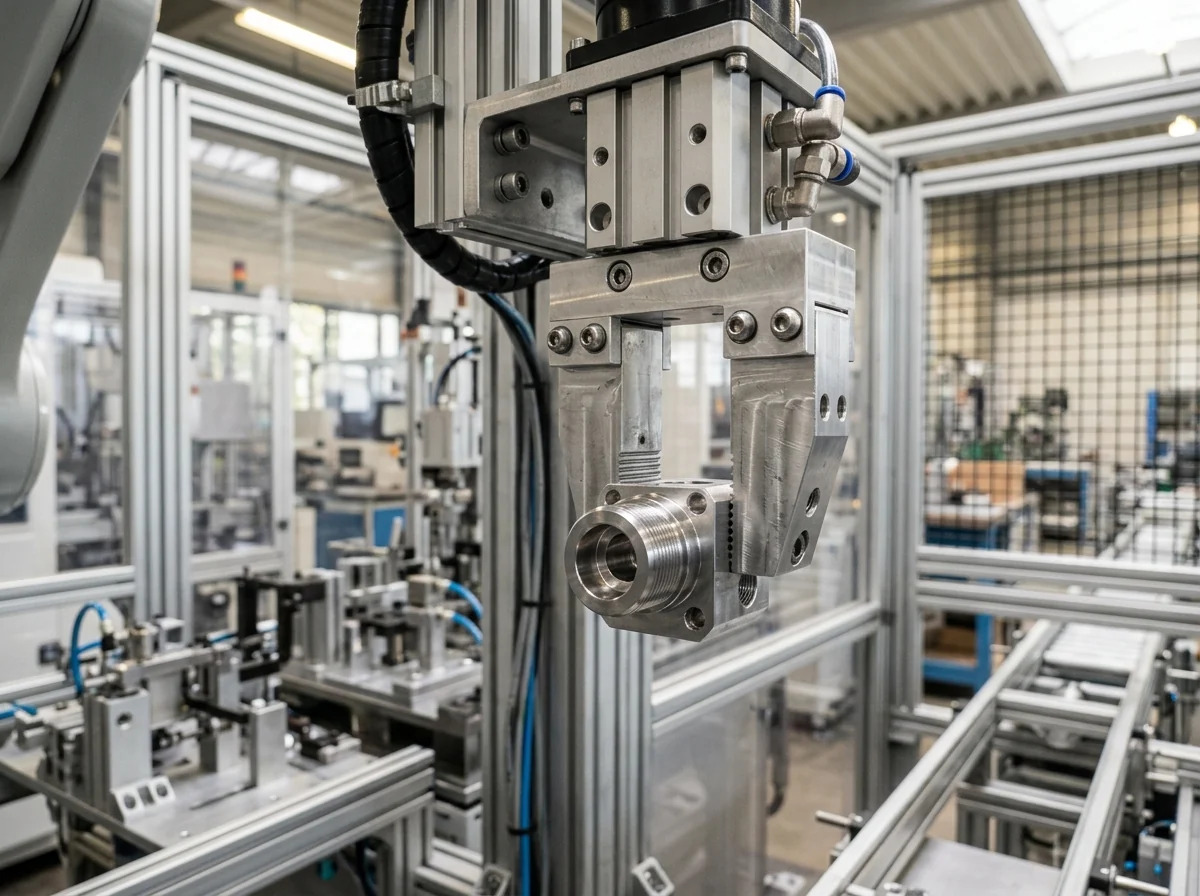
Finger and jaw components—not complete gripper assemblies—reviewed for mounting, stroke, grip direction, contact geometry, final condition, and validation needs.
First-article approval establishes the controlled revision, final-state critical dimensions and tolerances, inspection basis, and subsequent batch consistency requirements.
Milling, turning, material, finish, and heat-treatment resources support the reviewed replacement requirement rather than serving as a separate generic custom-parts proposition.
Submit the best available evidence. Unknown details may be marked for review, but final-state requirements and validation responsibilities must be agreed before production.
Use these supporting guides to identify the design evidence, interfaces, and validation questions that matter before requesting a replacement part.
Assess when a finger-only replacement is reasonable and what information should be verified.
Read the guide → Engineering GuideReview wear, material selection, custom replacement considerations, and the manufacturing process.
Read the guide →Straight answers about CNC sourcing and MRO replacement-part inquiries.
No. MUXI Precision is a China precision manufacturing sourcing partner. We review requirements, coordinate suitable suppliers in our manufacturing network, and support project communication and inspection.
You can submit available 2D drawings, 3D files, photos, or physical-sample information together with the application, material, quantity, required final condition, and target timing. Sample-based reproduction remains subject to the available design evidence and project feasibility.
Yes, when enough design and application evidence is available. Wear, deformation, coating buildup, hand fitting, and later modifications must be distinguished from original design geometry rather than copied automatically.
We can review first-article or low-volume validation requirements and coordinate repeat production after approval. Inspection scope, validation responsibilities, revision control, timing, and terms are confirmed for each project.
Our sourcing scope includes CNC milling, CNC turning, precision components, and custom metal parts through our manufacturing network. Process suitability is confirmed after review of the part and project requirements.
Inspection expectations are reviewed with the available drawing, model, sample information, and application requirements. Agreed checks and acceptance evidence are coordinated with the selected supplier for the specific project.
Send the available drawing or sample information, replacement purpose, first-order and repeat demand, and final-state acceptance requirements for review.