
Edge Burr
Sharp, raised edges on cut profiles that require secondary deburring operations before parts can be used.
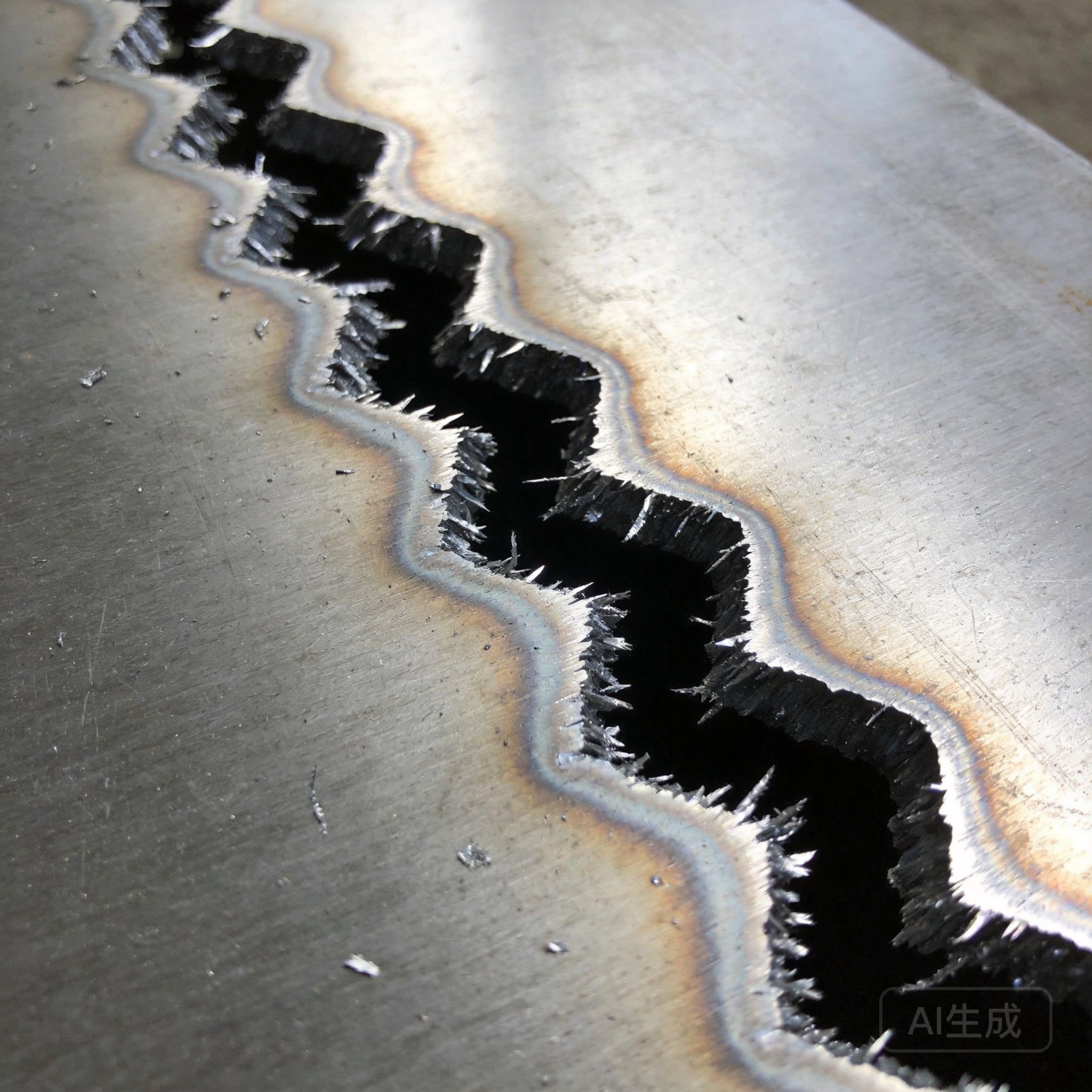
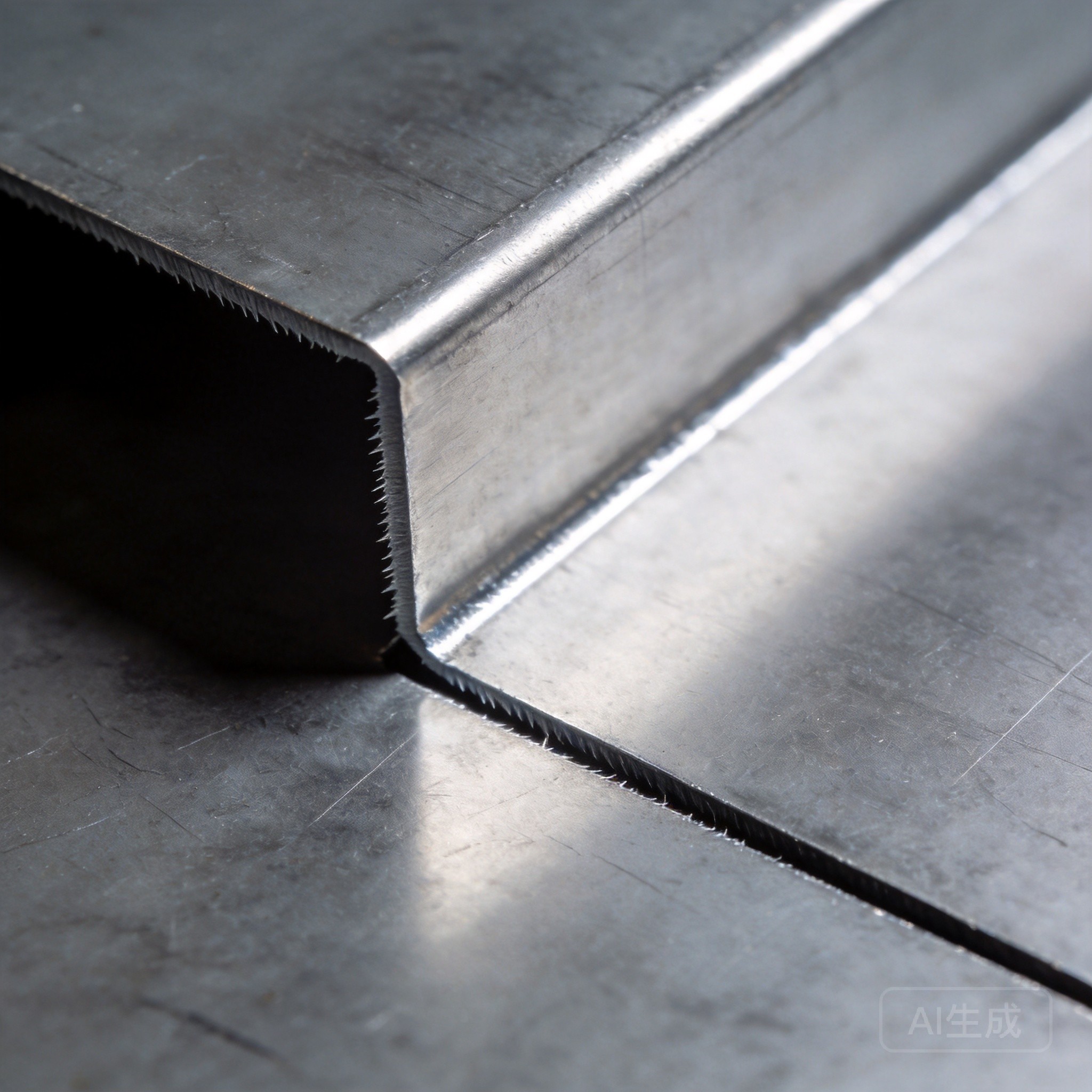
- Top-Edge Burr: Sharp raised material along the top edge of the cut, typical of slow cutting speeds causing excessive heat accumulation.
- Bottom-Edge Burr: Burr formation on the underside, often accompanied by slight dross. Indicates focus position or gas pressure imbalance.
- Directional Burr: Burr present on one side of the cut direction only, indicating beam alignment or polarization issues.
- Corner Burr: Burr concentrated at corners and sharp turns in the cutting path where heat accumulates at reduced feed rates.
This issue involves the following machine subsystems:
Focus position relative to material surface determines energy distribution across the kerf.
Gas pressure imbalance causes turbulent cooling or incomplete melt ejection at edges.
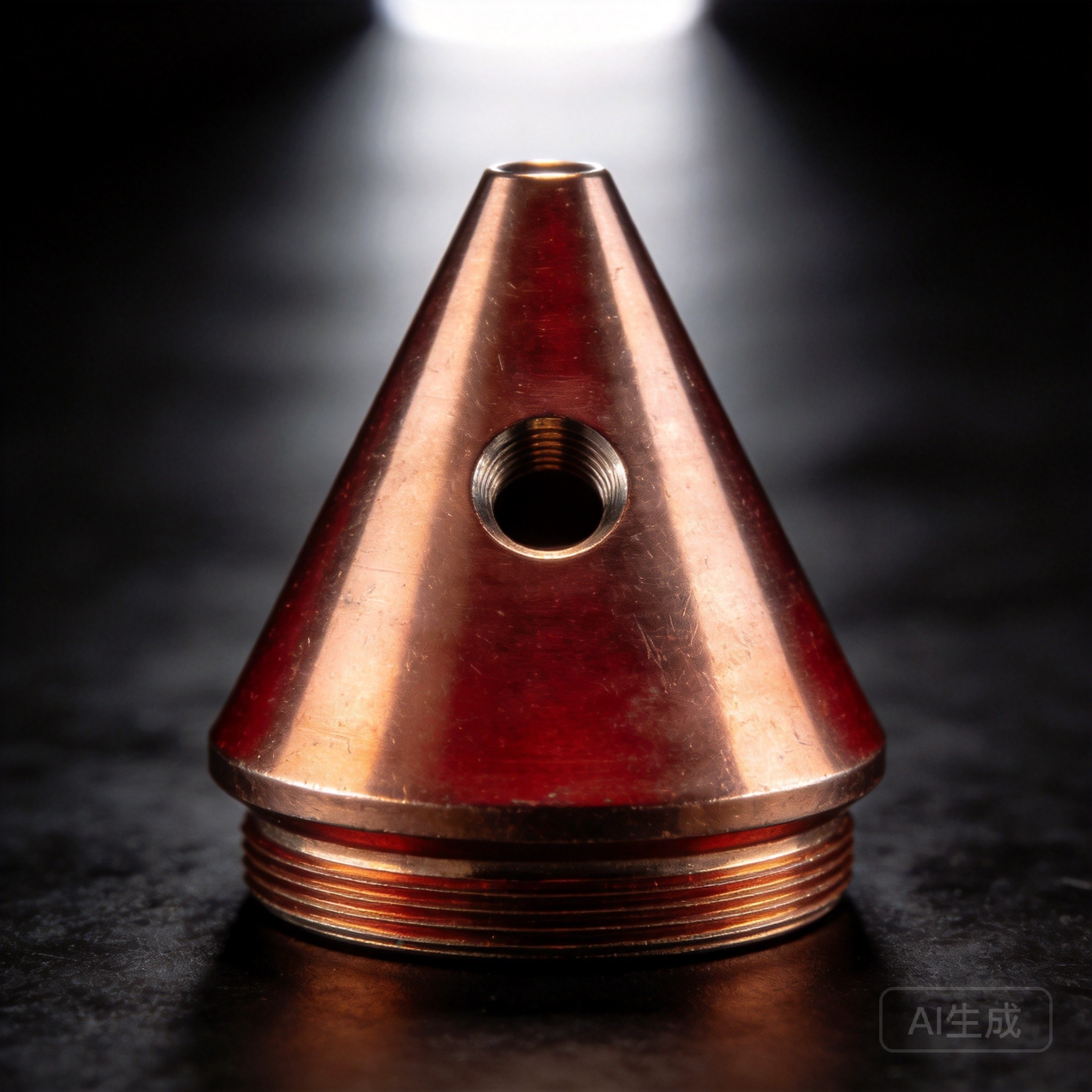
Cutting speed and nozzle standoff distance affect edge formation quality.
Focus Position Error
Incorrect focus position relative to material surface causes uneven energy distribution across the kerf, resulting in incomplete separation at edges.
Gas Pressure Imbalance
Gas pressure either too low (fails to clear melt) or too high (causes turbulent cooling that re-solidifies material unevenly).
Beam Polarization Effect
Linear polarization causes direction-dependent absorption, resulting in burr formation on one cut direction while the other remains clean.
Nozzle Standoff Distance
Incorrect nozzle-to-plate distance disrupts gas flow dynamics and melt ejection, leading to inconsistent edge quality.
| Parameter | Poor Piercing (Typical) | Recommended Range | Improvement |
|---|---|---|---|
| Focus Position | -1mm (above center) | -3mm (deeper) | Burr reduced 70% |
| Gas Pressure | 1.0 bar | 0.7 bar | Clean edges |
| Cutting Speed | 1200 mm/min | 1400 mm/min | Minimal burr formation |
| Nozzle Standoff | 0.5mm | 1.0mm | Consistent gas flow |
📖 Related Blog Articles
- Why Laser Cutting Produces Burr — Root causes & solutions for burr formation
- Solving Dross Issues in 3mm Stainless Steel — Expert guide to edge quality optimization
Need Technical Support or Pricing?
Our engineering team provides remote guidance and setup support for high-power fiber laser systems. Get tailored solutions for your specific cutting requirements.
Need a Stable Fiber Laser Cutting Solution?
Explore Muxi High Power Laser Solutions →