
Poor Piercing
Piercing instability or failure to penetrate the material effectively.
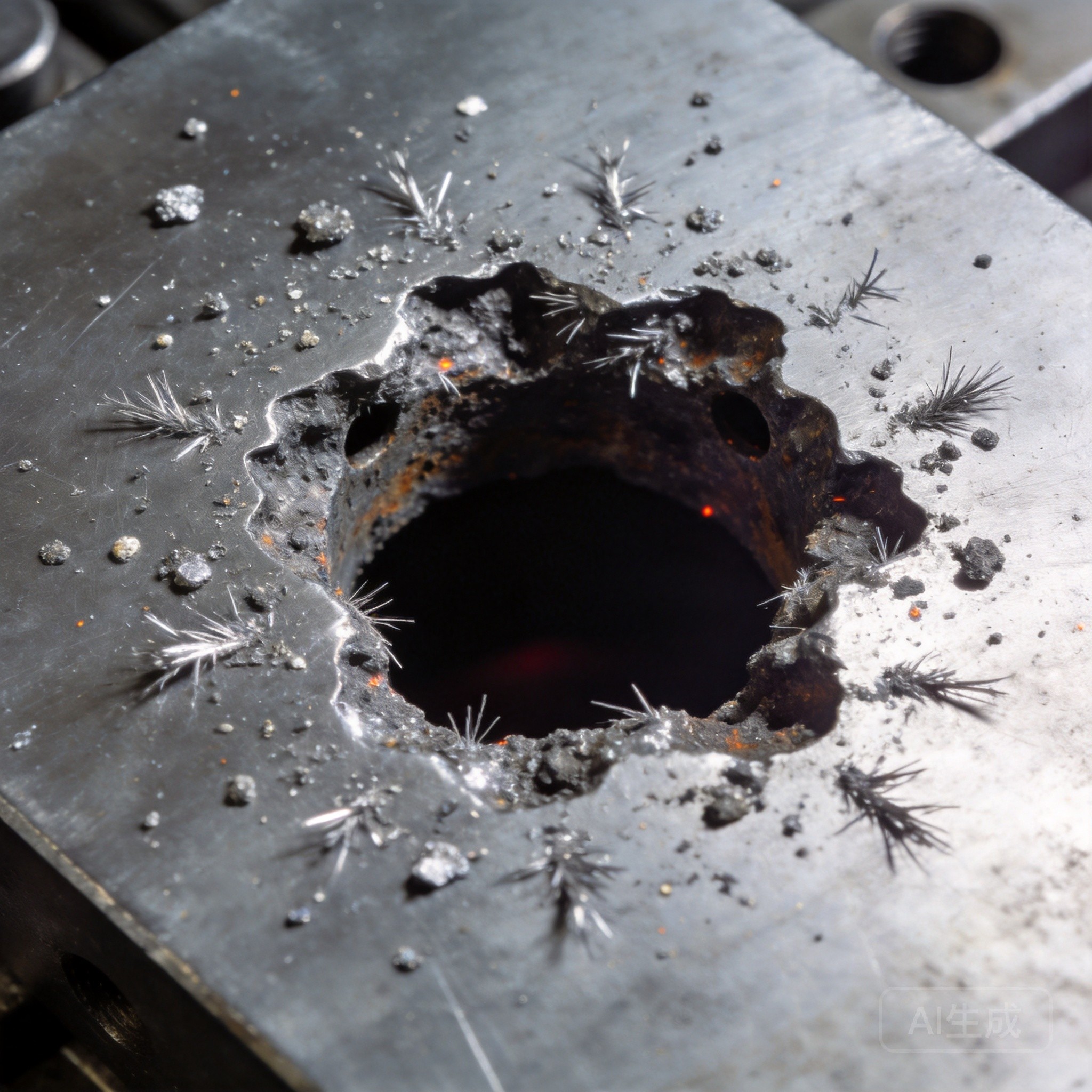
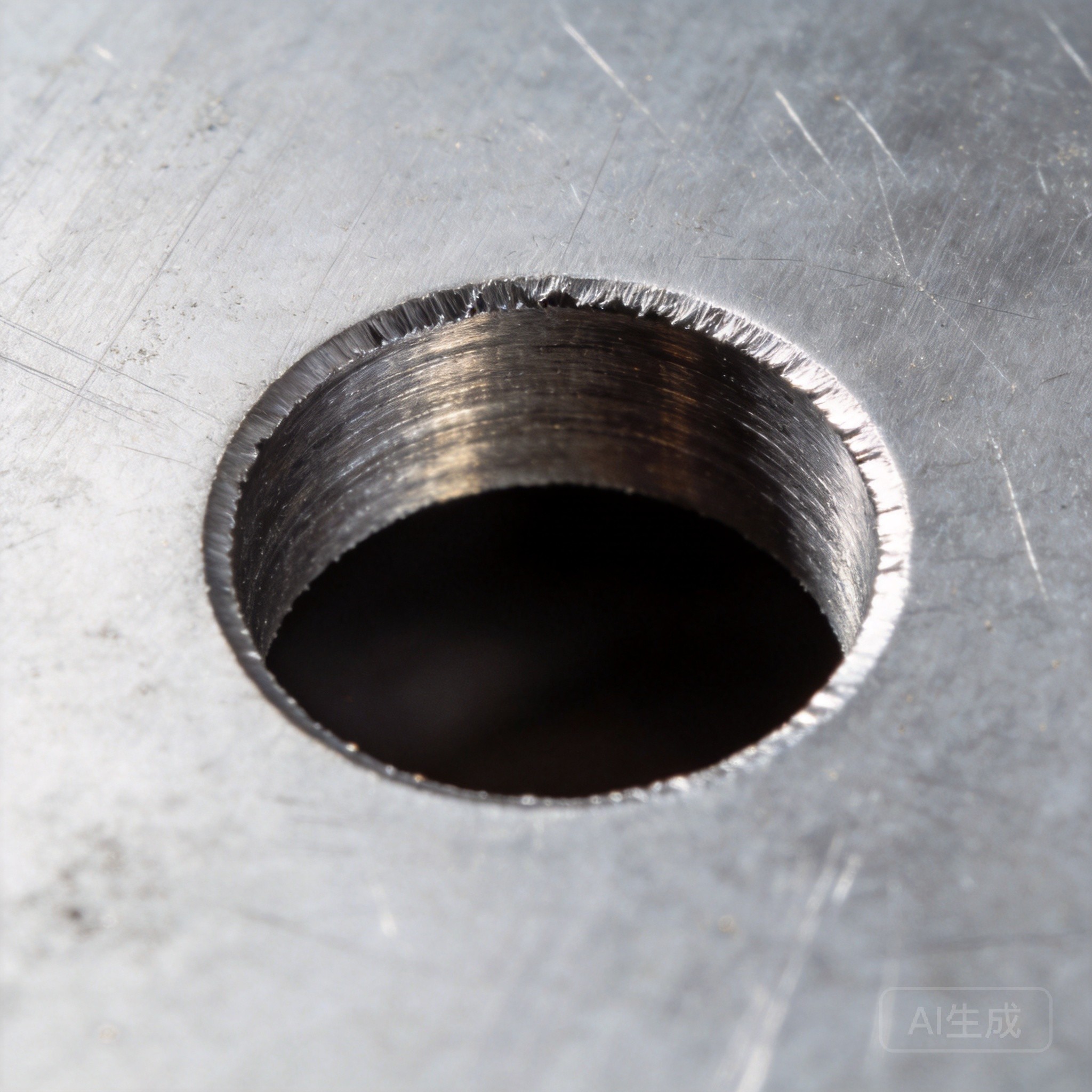
- Piercing takes too long or fails to break through the material
- Excessive spatter during piercing contaminates nozzle and lens
- Irregular or oversized entry hole compared to kerf width
- Machine alarm during the piercing process
This issue involves the following machine subsystems:
Laser power, piercing time, and focus position settings determine the energy density required for clean breakthrough.
Insufficient or unstable assist gas pressure fails to eject molten material from the kerf during piercing.
Worn nozzle, incorrect nozzle size, or improper standoff distance disrupts gas flow dynamics and pierce stability.
Contaminated protective lens or beam misalignment reduces power delivery and beam quality at the cut zone.
Incorrect Parameters
Low power, high speed or improper focus setting prevents full penetration through the material thickness.
Gas Pressure Issues
Gas pressure too low or unstable during piercing fails to eject molten material effectively from the kerf.
Nozzle Problems
Worn or incorrect nozzle size causes poor gas flow dynamics and reduced piercing efficiency.
Lens Contamination
Contaminated protective lens reduces beam quality and power delivery at the cutting surface.
Beam Misalignment
Beam not centered through the nozzle axis causes asymmetric energy distribution and poor pierce quality.
| Parameter | Poor Piercing (Typical) | Recommended Range | Improvement |
|---|---|---|---|
| Laser Power | Too Low | Increase 10-20% | Stronger piercing ability |
| Piercing Time | Too Short | Increase 20-50% | More stable penetration |
| Focus Position | Incorrect (Too High) | -1 ~ +1 mm | Optimal focus point |
| Gas Pressure | Too Low / Unstable | 0.8-1.2 bar | Stable gas flow |
| Nozzle Diameter | Too Large / Worn | Use correct size | Better gas velocity |
| Assist Gas | Air / Nitrogen / O₂ | Oxygen (Recommended) | Better oxidation & removal |
- Always check nozzle condition and lens cleanliness before each shift
- Log gas pressure readings every 4 hours during production runs
- Replace protective lenses every 200 hours of cutting time
- Schedule weekly focus and beam alignment checks
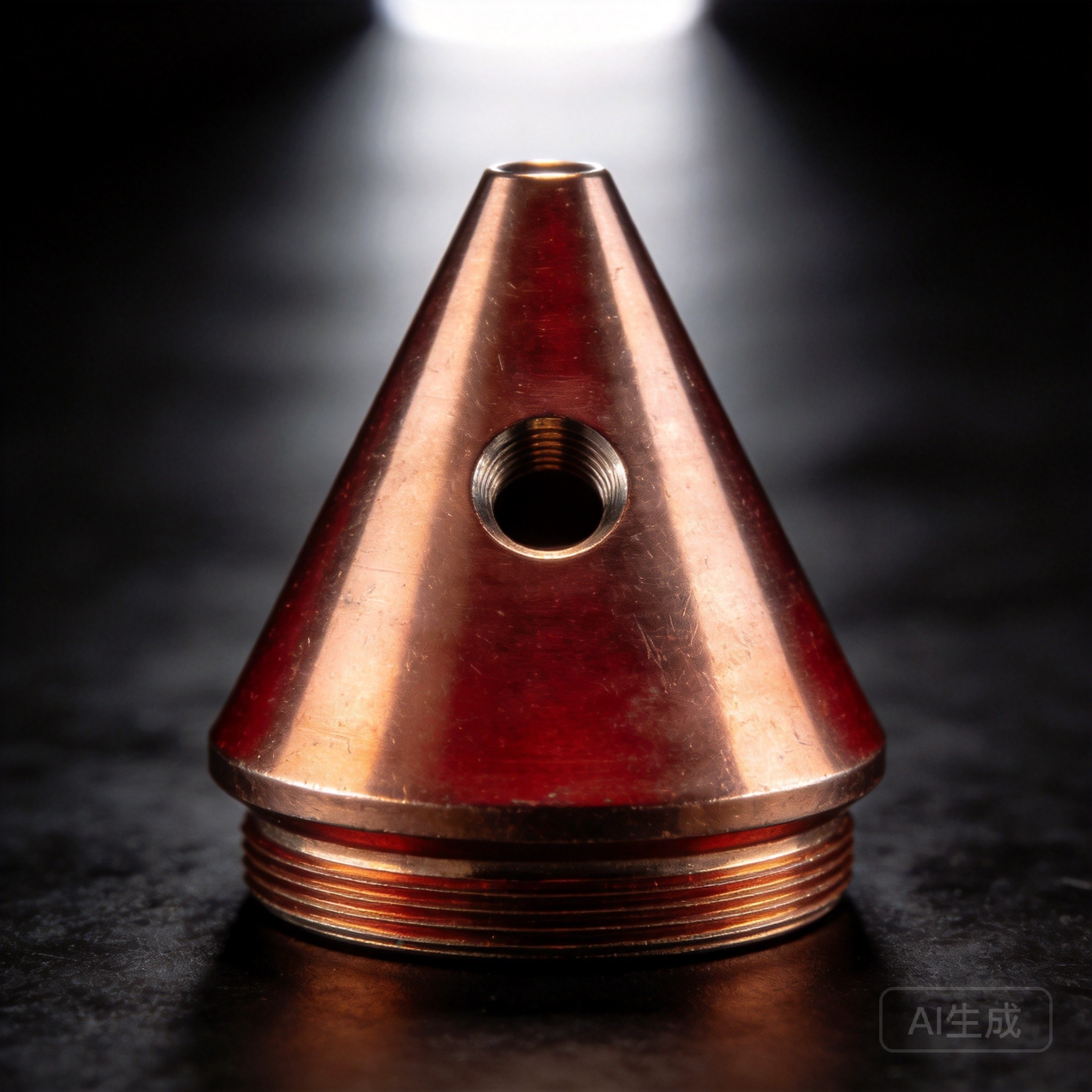
High Precision Nozzle
Optimized gas flow design for stable piercing performance across all power levels.
View Product →
UHDT Protective Lens
Ultra-high damage threshold lens with anti-reflective coating for consistent beam quality.
View Product →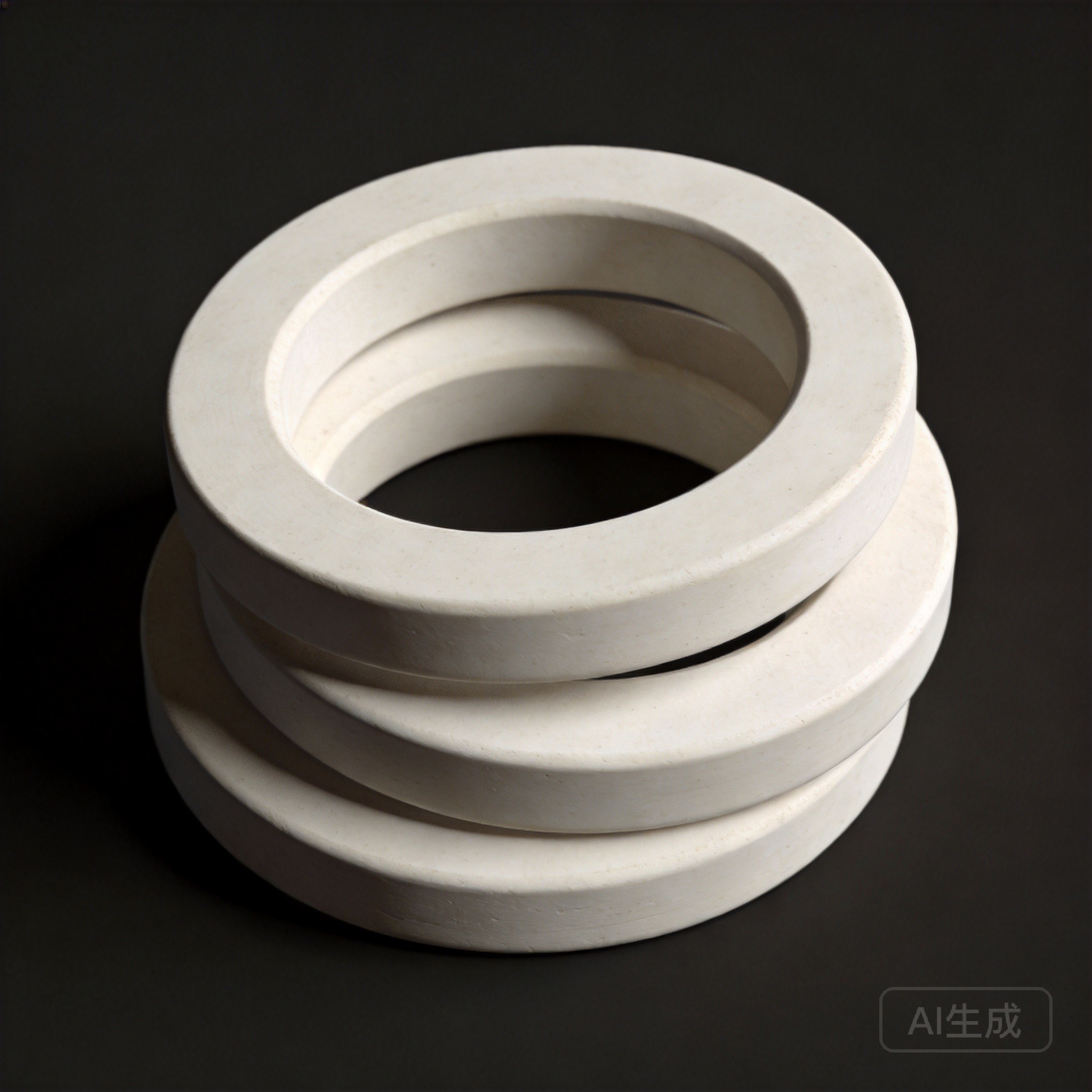
Ceramic Ring Set
High-temperature ceramic rings with wear indicators for timely replacement.
View Product →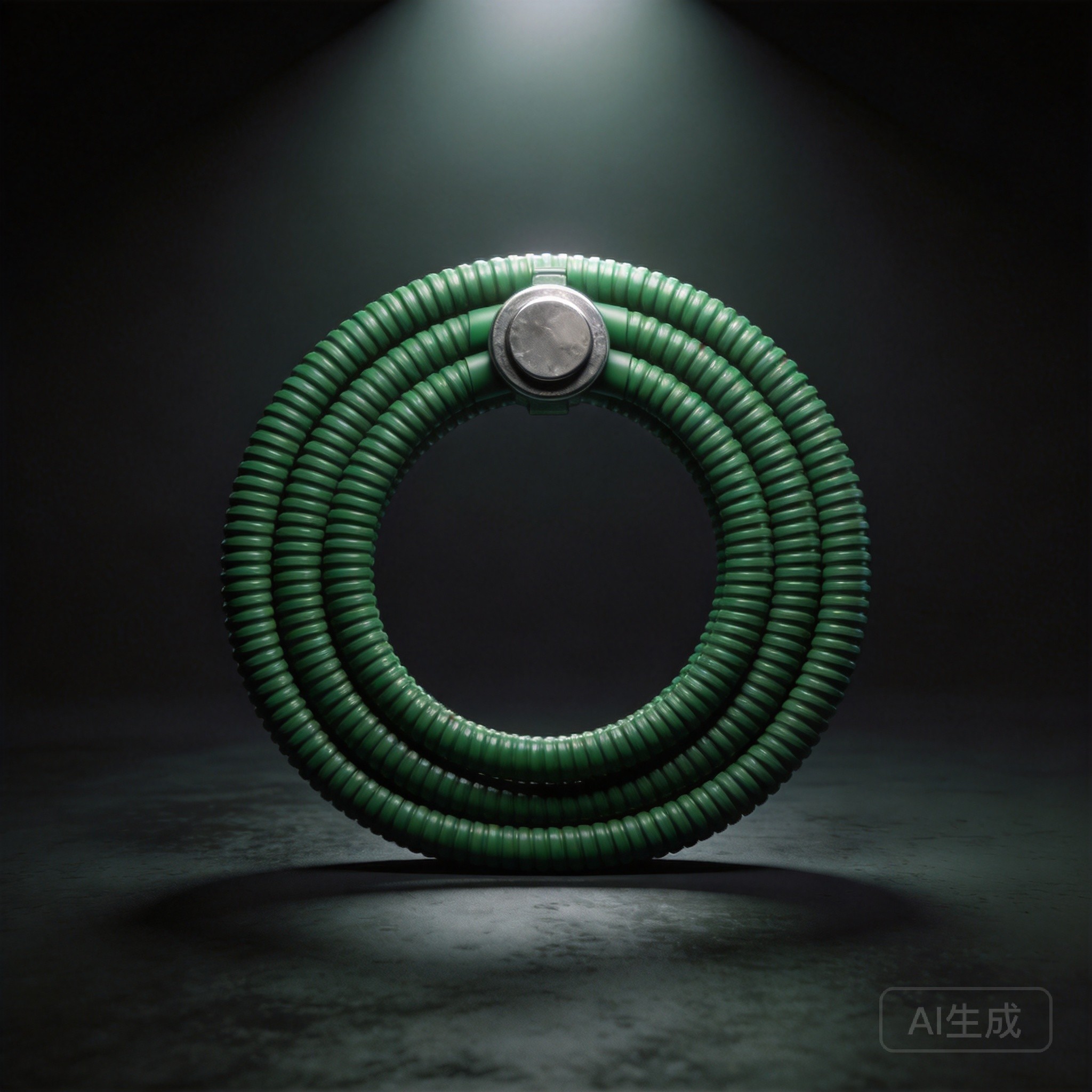
Sensor Cable Kit
High-durability sensor cables with reinforced connectors for stable height sensing.
View Product →Need Technical Support or Pricing?
Our engineering team provides remote guidance and setup support for high-power fiber laser systems. Get tailored solutions for your specific cutting requirements.
Need a Stable Fiber Laser Cutting Solution?
Explore Muxi High Power Laser Solutions →